Why Does My Roof Look Wavy? Understanding Roof Warping and What to Do About It
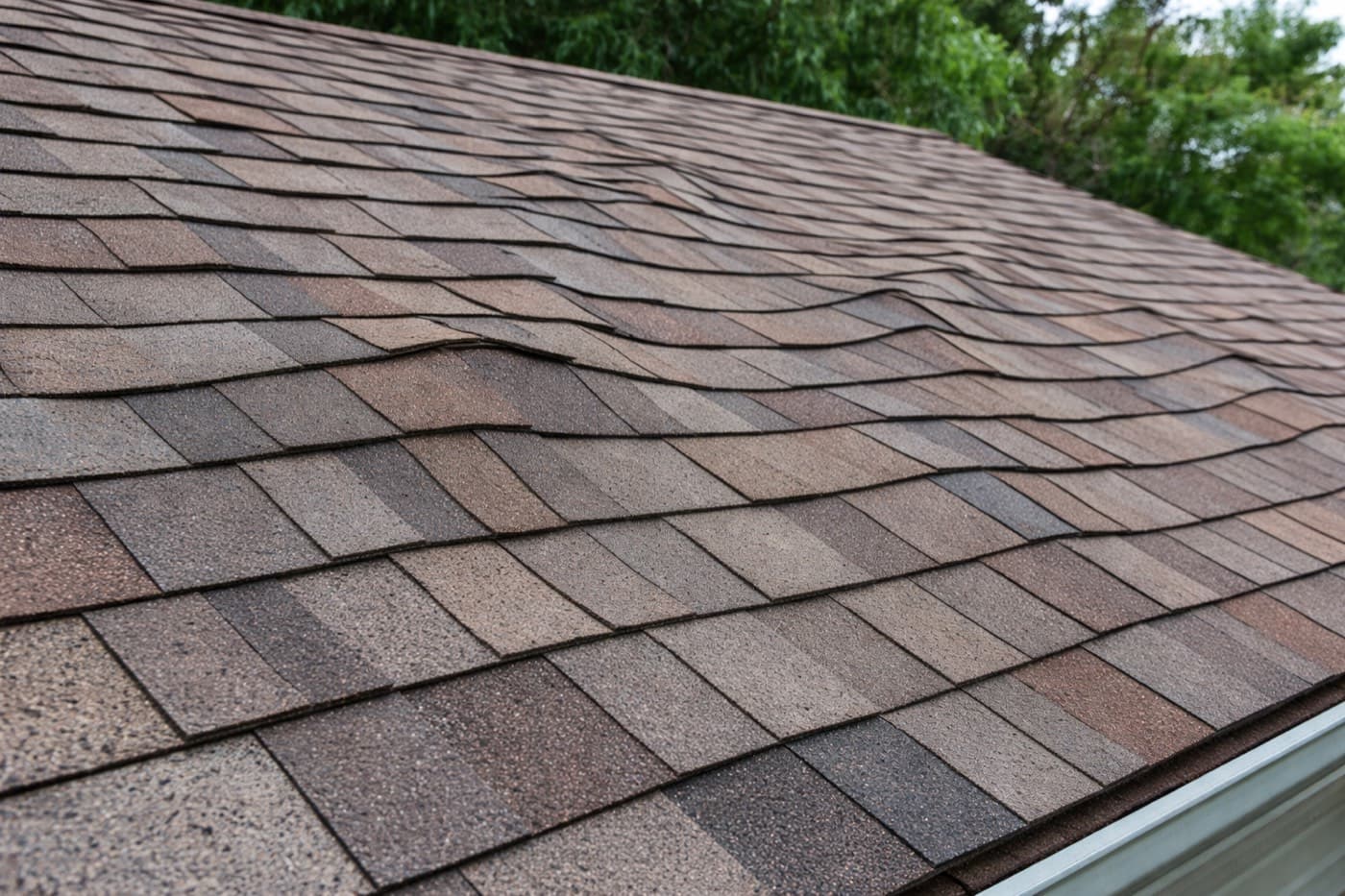
You’re standing in your yard, looking up at your house, and something doesn’t seem quite right. Your roofline looks uneven. The shingles don’t seem to lay flat. The surface appears… wavy.
This subtle (or not-so-subtle) ripple in your roof isn’t just an eyesore—it could be a sign of a deeper problem. While some waviness is harmless, other forms can point to serious structural or moisture issues that require professional attention.
In this article, we’ll explore what causes a roof to look wavy, how to know whether it’s normal or not, and what steps to take if your roof isn’t lying flat.
What Causes a Wavy Roof?
Several factors can contribute to a rippled or uneven appearance on your roof. Some are related to materials, others to workmanship or underlying damage.
1. Plywood or OSB Decking Swelling
One of the most common causes of a wavy roof is the swelling of roof decking material. If oriented strand board (OSB) or plywood gets wet—especially during installation or due to leaks—it can warp or expand. This leads to visible bumps or uneven areas once the shingles are applied.
In Idaho, where roofs are exposed to snow, rain, and freeze-thaw cycles, moisture intrusion is a common risk. Once the decking swells, it rarely returns to its original shape.
2. Poor Installation
If shingles are applied over uneven decking or installed improperly, they may not lie flat. This can result in visible waves across the roof, even if the structure is sound.
Other installation-related issues that can cause waviness include:
- Shingles nailed too tightly or too loosely
- Starter shingles or underlayment not aligned properly
- Roof felt or synthetic underlayment wrinkling during installation
3. Layering Over an Old Roof
Many homeowners opt for a second layer of shingles to save money on tear-off and disposal. While this is allowed by code in some areas, it can lead to a lumpy appearance—especially if the old shingles weren’t perfectly flat.
An extra layer can also trap heat and moisture, accelerating the deterioration of both layers.
4. Truss or Framing Movement
A more serious issue occurs when the roof structure itself—your trusses or rafters—shifts or settles over time. This can happen due to age, foundation movement, improper attic ventilation, or structural damage from moisture or pests.
If the roofline itself appears bowed or sagging, especially in a symmetrical pattern, it could indicate framing problems that go beyond the surface.
When Is a Wavy Roof Normal?
Not all roof waviness signals a crisis. In some cases, minor cosmetic imperfections are simply the result of roofing materials adjusting to temperature changes or natural settling.
A few scenarios where a slightly uneven look might be okay:
- Brand-new shingles that haven’t fully settled yet (especially in cold weather)
- Very minor variations in decking that don’t affect roof performance
- Visual distortion caused by shadows or lighting angles
Still, if you’re not sure whether what you’re seeing is normal, it’s always worth scheduling a professional inspection.
What to Watch For: Signs It’s More Than Cosmetic
If you notice any of the following along with a wavy roof, it may be time to act:
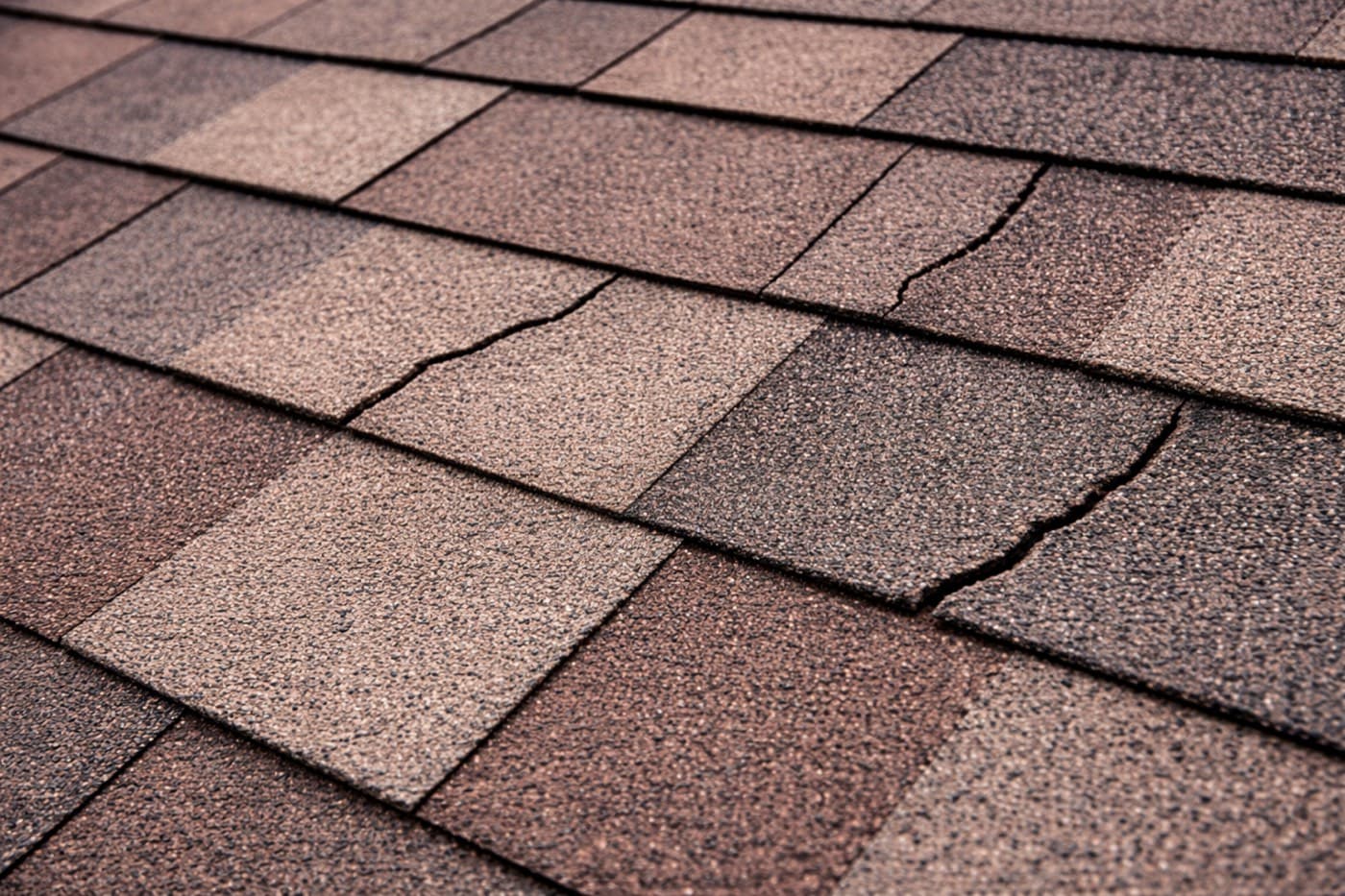
- Shingles lifting, cracking, or curling
- Sagging roof ridges or valleys
- Water stains in your attic or ceilings
- Soft or springy spots when walking on the roof (if accessible)
- A sudden increase in energy bills, suggesting insulation or ventilation issues
Any of these signs point to potential structural or moisture problems—not just surface-level concerns.
How to Fix a Wavy Roof
The right solution depends on the root cause. Here’s how we typically approach it at Canyon Construction Services:
Step 1: Roof Inspection
We start with a full inspection, inside and out. We check the shingles, flashing, underlayment, attic ventilation, and most importantly, the condition of your roof deck.
In some cases, we may lift a few shingles to inspect what’s underneath.
Step 2: Addressing the Problem
Depending on what we find, solutions may include:
- Replacing warped decking sections
- Improving attic ventilation to prevent future moisture buildup
- Reinstalling improperly laid shingles
- Replacing the entire roofing system if structural issues are widespread
- Upgrading to a tear-off instead of layering for future re-roofs
In rare cases, if the problem is with the framing itself, we may recommend involving a structural contractor to assess roof trusses or rafters.
How to Prevent Roof Warping in the First Place
Prevention is always more affordable than repair. Here’s how to avoid wavy roof issues down the road:
- Use only dry, high-quality decking material during installation
- Ensure proper ventilation in the attic to prevent moisture buildup
- Avoid layering over old shingles—opt for a full tear-off
- Have your roof professionally inspected every 1–2 years
- Clear debris and ice buildup that can trap moisture
If you’re planning a new roof, ask your contractor about upgraded synthetic underlayments and better ventilation options. These can greatly improve the long-term health of your roofing system.
FAQ: Wavy Roofs Explained
Q: Is a wavy roof dangerous?
A: Not always. Some waviness is cosmetic, but if it worsens over time or is paired with other issues (leaks, sagging), it may signal deeper structural problems.
Q: Can I fix roof waves without replacing the whole roof?
A: Possibly. If the issue is limited to a small area of decking or shingles, targeted repairs can help. A full replacement is only needed for widespread damage.
Q: How much does it cost to repair a warped roof?
A: It depends on the extent of the damage. At Canyon Construction Services, we always provide a clear estimate and explanation before any work begins.
A Smooth Roof Starts with a Solid Foundation
If your roof looks uneven, don’t ignore it. Whether it’s a minor issue or the early sign of something more serious, early action can save you from major repairs down the road.
At Canyon Construction Services, we provide expert inspections and honest advice for homeowners in Twin Falls, Mountain Home, and throughout Southern Idaho.
Worried about your roof? Contact us today for a free, no-obligation roof evaluation.