Are Trees Too Close to Your Roof? How to Spot (and Solve) the Problem
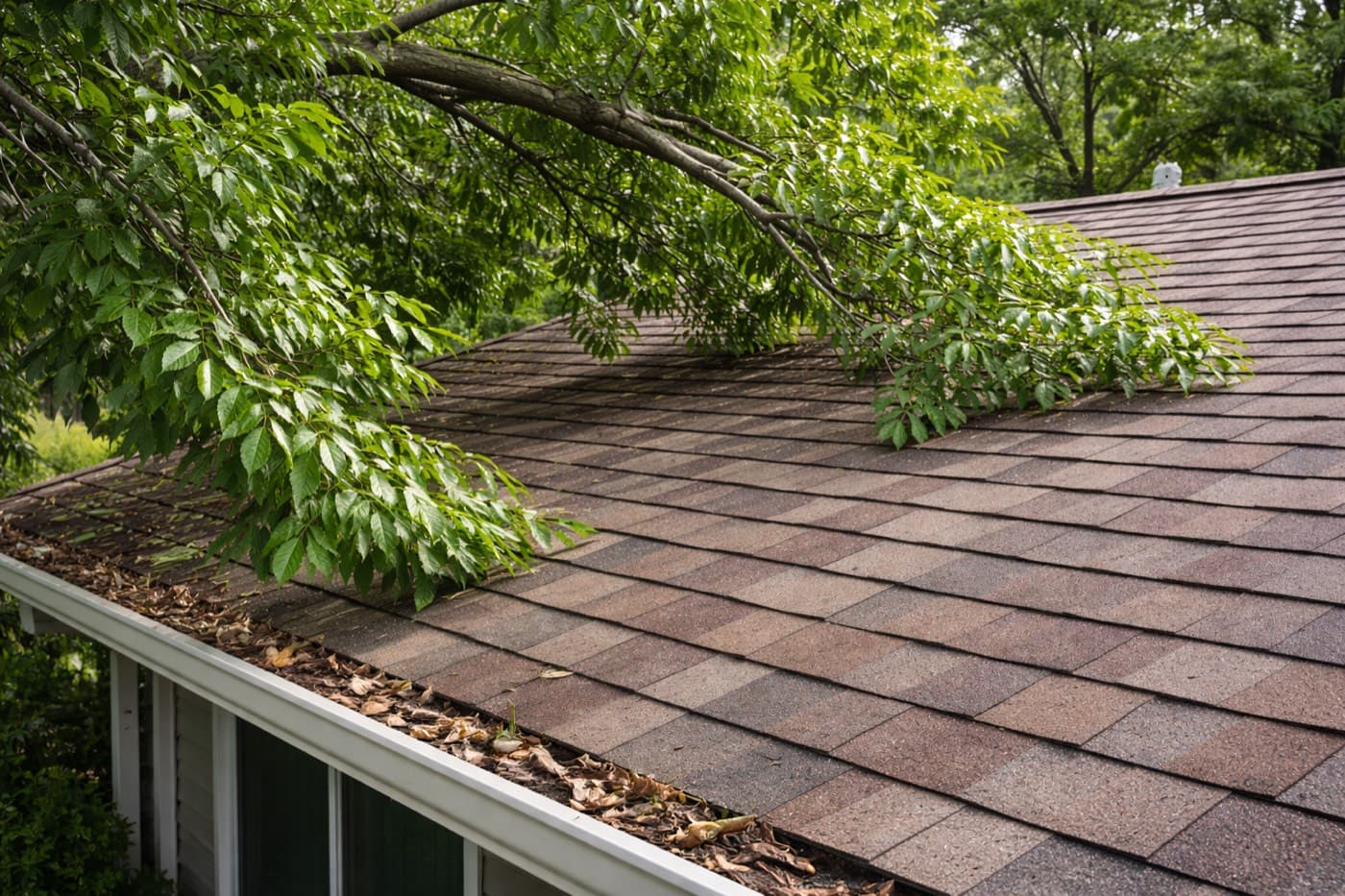
That big shade tree in your yard may look beautiful in summer and give your home character, but if it’s growing too close to your roof, it could be doing more harm than good.
Many homeowners in Idaho—and especially around Twin Falls and Mountain Home—don’t realize how much damage trees can cause to a roofing system. From broken shingles to clogged gutters and even structural strain, the risks are real.
Here’s how to tell if your trees are too close, what warning signs to look for, and how to protect your roof without sacrificing your landscaping.
Why Overhanging Trees Are a Problem for Roofs
Trees and roofs don’t always mix well. Even healthy, mature trees can threaten your roofing system in several ways:
Physical Damage from Branches
Branches that hang over or scrape against the roof can wear down shingles, dislodge flashing, or snap off during storms. In windy areas like the Magic Valley, it doesn’t take much for a branch to snap and come crashing down.
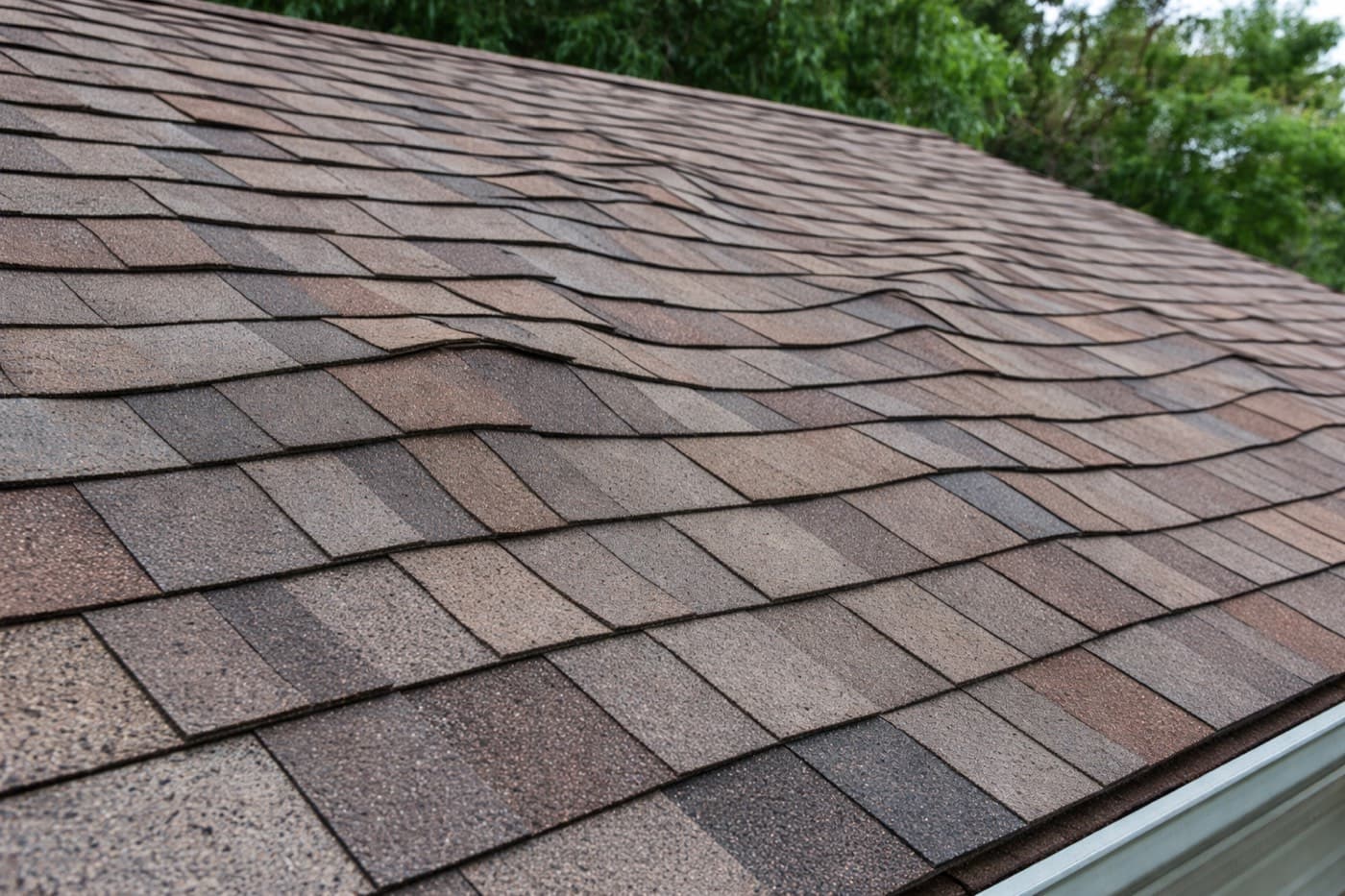
Even if a falling limb doesn’t punch through the roof deck, it can loosen shingles or cause subtle cracks that lead to leaks later on.
Debris Buildup
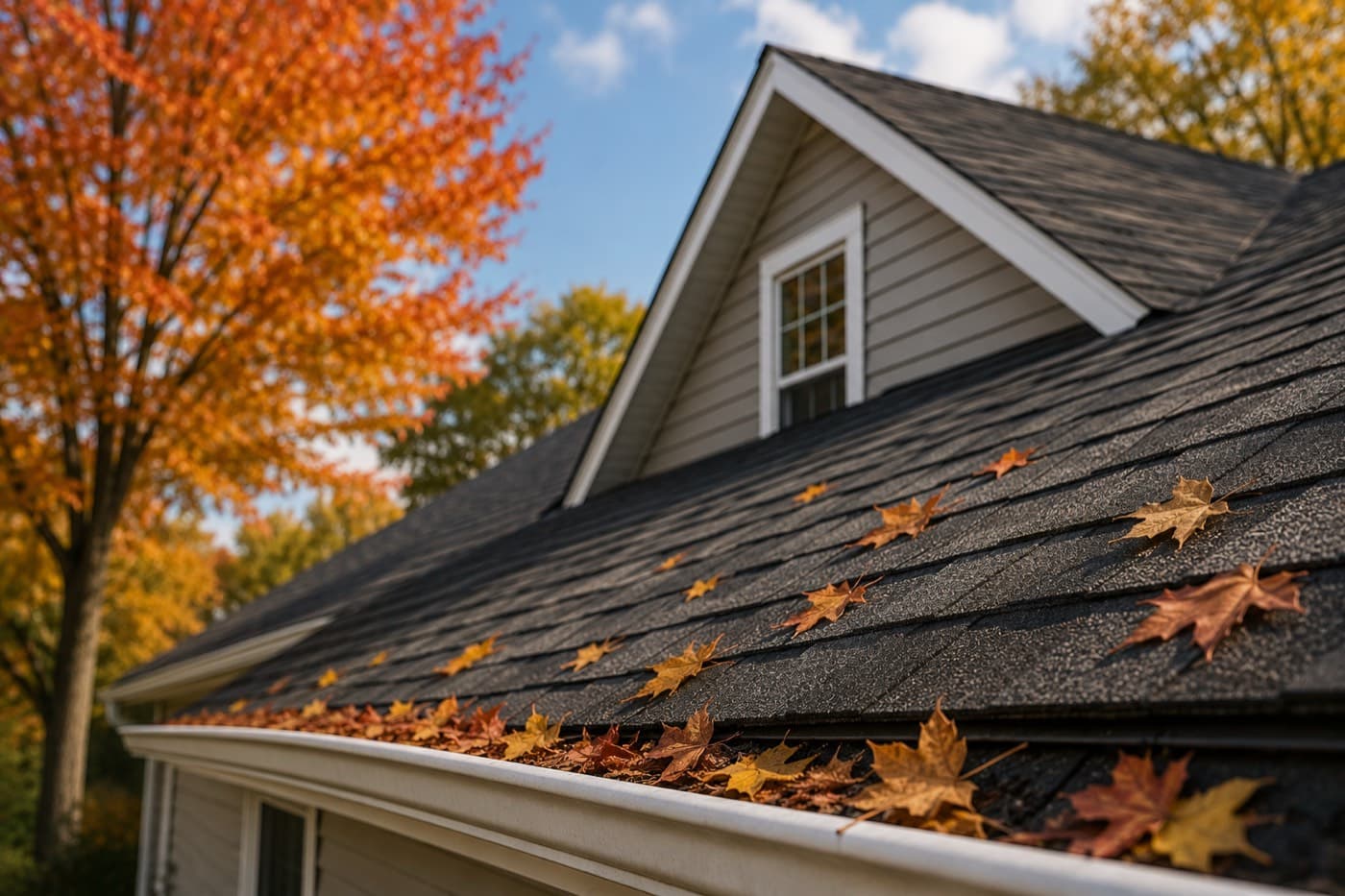
Leaves, needles, and small twigs can accumulate on your roof and in your gutters, especially during the fall. This debris traps moisture, encourages moss and algae growth, and can lead to premature shingle deterioration.
In gutters, organic buildup leads to clogs, which prevents proper drainage and can cause water to overflow and pool near your foundation or fascia boards.
Moisture and Mold
Trees provide shade, which is great for your yard—but not always great for your roof. Shaded areas take longer to dry after rain or snow, creating ideal conditions for mold, moss, and mildew.
Left unchecked, moss can creep under shingles and lift them, allowing moisture into the roof deck.
Animal and Insect Access
Low-hanging branches create a highway for squirrels, raccoons, and insects to reach your roof and attic. Birds may also nest in gutters or vents. Once pests are on your roof, they can cause damage by chewing, nesting, or even entering your home through weak points.
Signs Your Trees Are Too Close to the Roof
Here are the red flags to look for when evaluating trees around your home:
- Branches hang within 6 feet of your roof surface
- You hear scraping noises during windy days or storms
- Leaves and debris frequently collect in gutters or on the roof
- Gutter clogs or overflow during rain
- Moss, algae, or discoloration along shaded roof sections
- Animal droppings or signs of nesting near the roofline
- Small limbs falling during wind events
If you notice one or more of these, your trees may be creating more risk than you realize.
How Close Is Too Close?
As a general rule, trees should be at least 6 to 10 feet away from your roof. This allows airflow, reduces the chance of contact during storms, and limits shade that can promote moss growth.
Some fast-growing or brittle species (like silver maples or cottonwoods) may require even more clearance. If you’re not sure about your specific trees, consult a certified arborist or roofing professional.
How to Prevent Roof Damage from Trees
Being proactive is the best way to protect your roof from costly damage. Here are a few steps homeowners can take:
Trim Overhanging Branches
Regularly prune branches that hang over your home—especially those that touch or come close to the roof. For high or large limbs, hire a professional to avoid injury or accidental roof damage.
Trimming should be done with care to avoid stressing the tree or creating weak points that might attract pests.
Clean Gutters Seasonally
Make gutter cleaning part of your seasonal home maintenance, especially in spring and fall. Consider adding gutter guards to reduce leaf buildup if you have trees nearby.
Inspect Your Roof After Major Storms
After windstorms or heavy snowfall, visually check for fallen branches, new debris, or missing shingles. Early detection of small issues can prevent bigger problems later.
Watch for Moss or Algae Growth
If you spot green patches or dark streaks along shaded roof areas, act quickly. A gentle cleaning with a roof-safe solution or a professional moss treatment can protect your shingles.
Maintain Healthy Trees
Healthy trees are less likely to shed limbs. Keep your trees well-watered, properly pruned, and free of pests or disease. Arborists can help assess the overall health of large or aging trees.
Local Concerns: Idaho Weather and Trees
In Southern Idaho, wind is a frequent concern—especially in open areas around Twin Falls. Combine that with seasonal snow loads, and even small branches can become projectiles.
In the winter, snow and ice buildup on tree limbs can cause sudden breaks. This makes it especially important to check your trees before the first snowfall each year.
FAQ: Trees and Roofing
Q: Is it safe to cut tree branches myself?
A: Small, low branches may be manageable for DIYers. But for anything above 10 feet or near power lines or your roof, it’s best to hire a professional tree service.
Q: Can tree debris void my roof warranty?
A: In some cases, yes. If damage is caused by neglect (like unchecked moss growth or clogged gutters), it could impact warranty claims. Always read the fine print.
Q: Should I remove a tree entirely if it’s too close?
A: Not always. In many cases, careful trimming and proper maintenance can reduce risk without full removal. Consult a tree expert for guidance.
Don’t Let a Tree Compromise Your Roof
Trees add beauty and shade—but they shouldn’t compromise your home’s most important defense against the elements. If you’re worried about how nearby trees may be affecting your roof, Canyon Construction Services is here to help.
Our team offers full roof inspections, gutter maintenance, and honest advice about how to protect your home year-round.
Contact us today to schedule an inspection or get a second opinion.