Your Fall Roof Checklist: 7 Things to Check Before the First Snow
Fall is one of the best times to take a closer look at your roof. Once snow, ice, and freezing temperatures arrive, small roofing problems can become harder to find and more difficult to repair.
A loose shingle that seems minor in October could allow moisture into the roofing system during winter. A clogged gutter can create drainage problems when snow begins melting and refreezing.
For homeowners throughout Southern Idaho, preparing your roof for winter doesn’t have to be complicated. Here are seven things worth checking before the first snow arrives.
1. Look for Missing, Loose, or Damaged Shingles
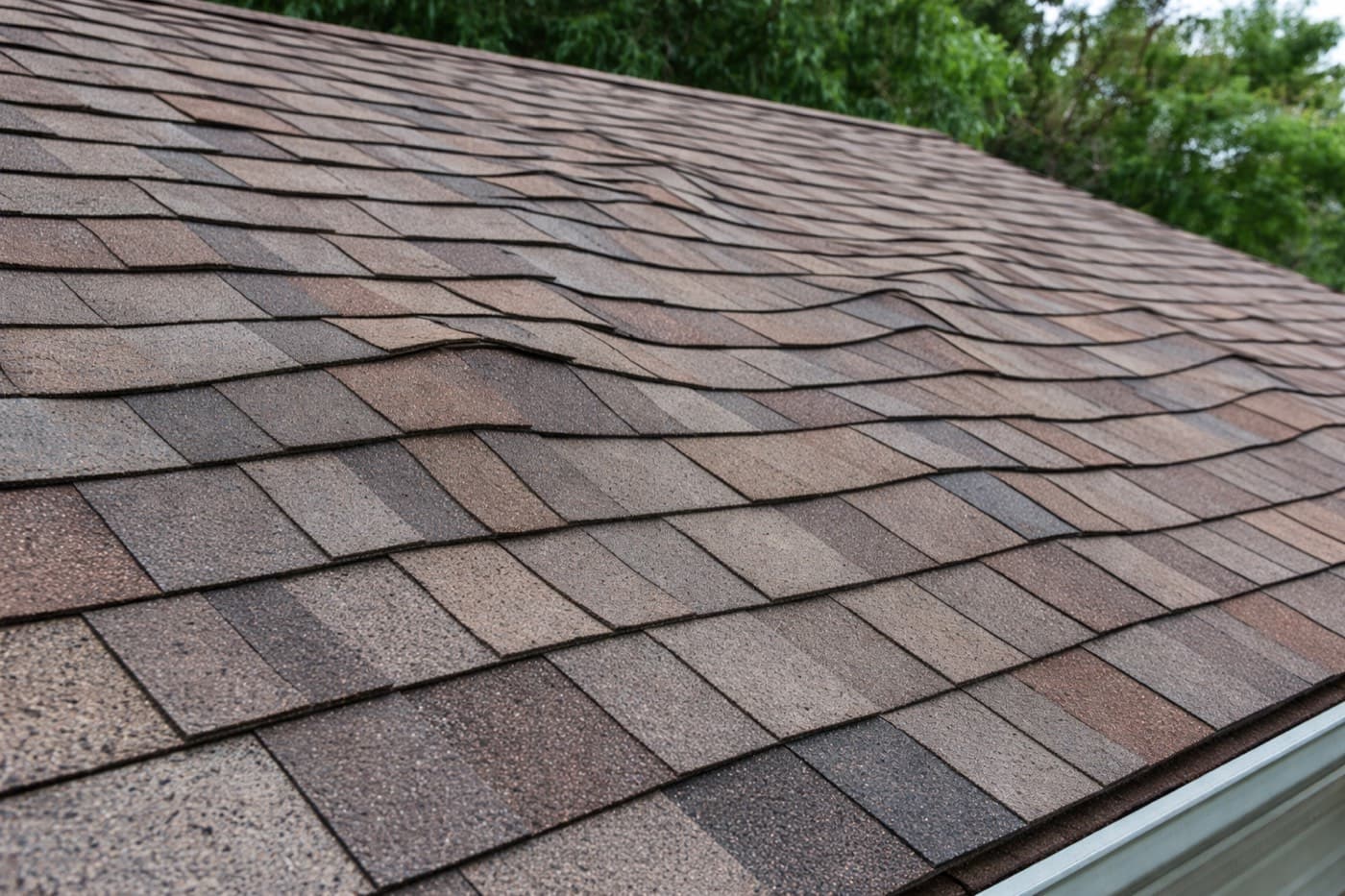
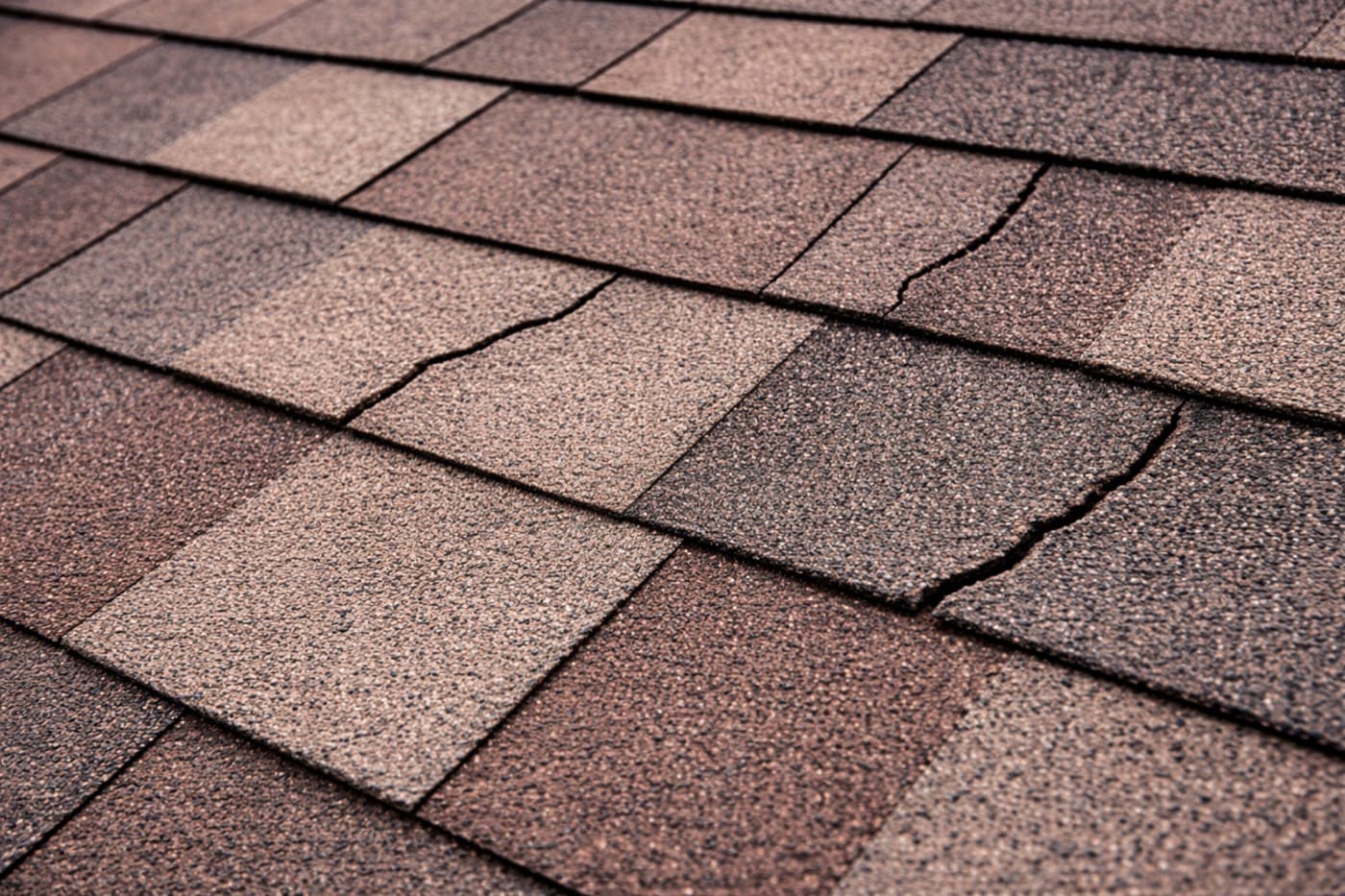
Start by looking at your roof from the ground. Watch for shingles that are:
- Missing
- Cracked
- Curling at the edges
- Lifted or out of alignment
- Noticeably damaged compared to surrounding shingles
Southern Idaho’s wind, sun, and changing temperatures can take a toll on asphalt shingles. Once a shingle is damaged or loose, winter weather can make the problem worse.
A few damaged shingles don’t necessarily mean you need a new roof. In many cases, targeted roof repair can address the problem before moisture reaches the underlayment or roof decking.
2. Check the Flashing Around Vents and Chimneys
Some of the most vulnerable areas of your roof are where something interrupts the roofing surface.
Flashing is used around chimneys, plumbing vents, skylights, roof-to-wall intersections, and other penetrations to direct water away from openings.
If flashing becomes loose, damaged, corroded, or improperly sealed, water may find its way underneath the roofing system. Fall is a good opportunity to have questionable flashing inspected before snow and freeze-thaw cycles put it to the test.
3. Clear Leaves and Debris From the Roof
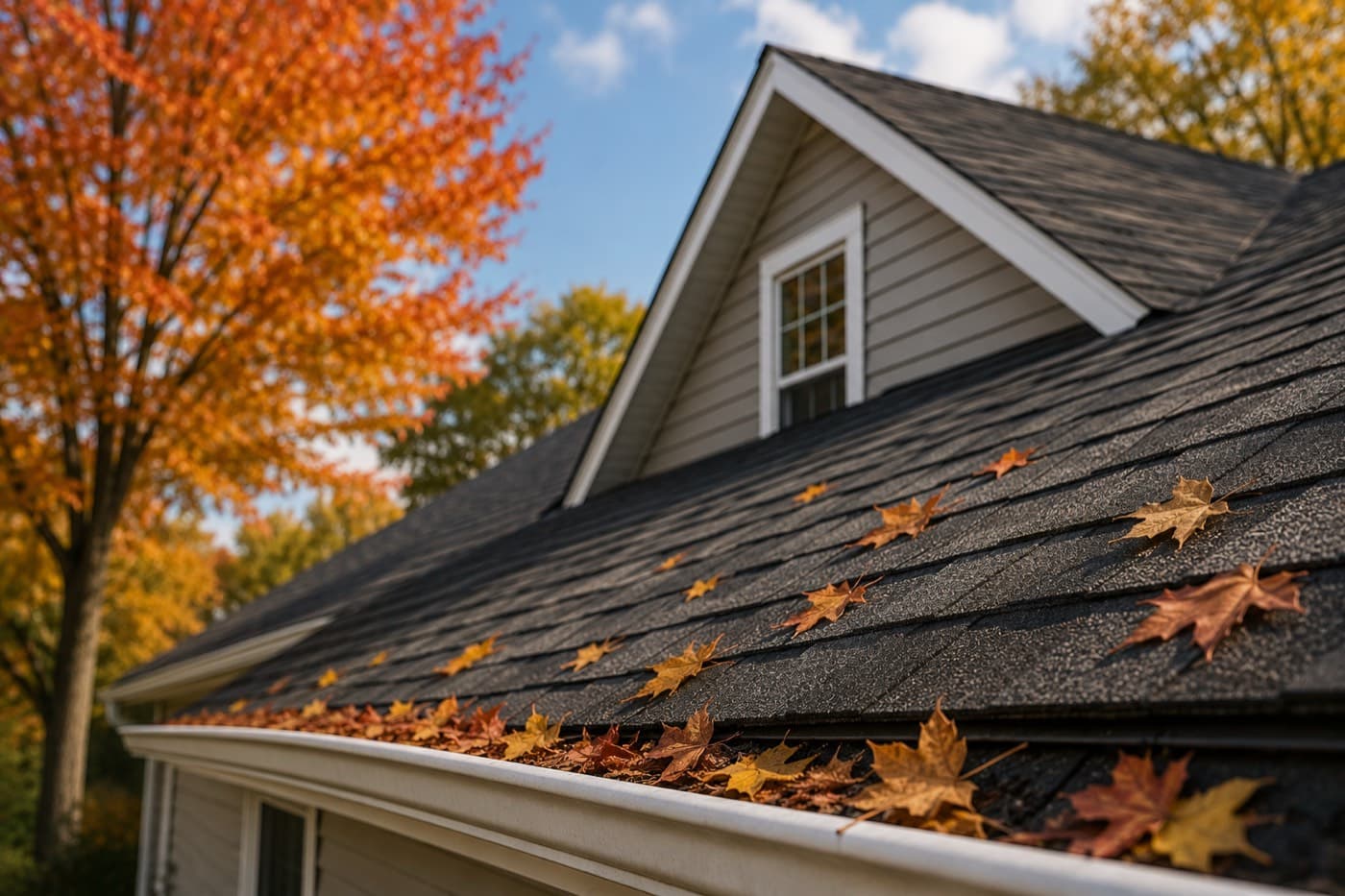
Leaves, pine needles, twigs, and other debris can collect in roof valleys, behind chimneys, and along the roof edge.
That buildup can hold moisture against shingles and interfere with normal drainage. Roof valleys deserve particular attention because they’re designed to carry water toward the gutters.
You can often identify significant debris from the ground. If removing it requires climbing onto the roof, consider having a professional handle the job rather than putting yourself at risk.
4. Make Sure Your Gutters Are Ready for Snowmelt
Your gutters play an important role in moving water away from the roof, siding, and foundation.
Before winter, check for:
- Leaves and debris
- Sagging sections
- Loose connections
- Damaged downspouts
- Areas that aren’t draining properly
When snow eventually melts, that water needs somewhere to go. Clogged or damaged gutters can cause water to overflow along the roof edge and fascia.
Fall gutter cleaning is especially important for homes surrounded by mature trees. Gutters that were clear a few weeks ago can quickly fill once leaves begin dropping.
5. Take a Look Inside Your Attic
Some roofing problems are easier to identify from underneath.
If your attic is safely accessible, look for water stains on the roof decking, damp insulation, musty odors, darkened wood, or other evidence of moisture.
Keep in mind that attic moisture doesn’t automatically mean your roof is leaking. Condensation, insulation problems, air leakage, and inadequate ventilation can produce similar symptoms.
Identifying the actual source is important. Repairing shingles won’t solve condensation caused by warm, moist indoor air entering the attic.
6. Check the Trees Around Your Roof
Fall is also a good time to look above and around your home.
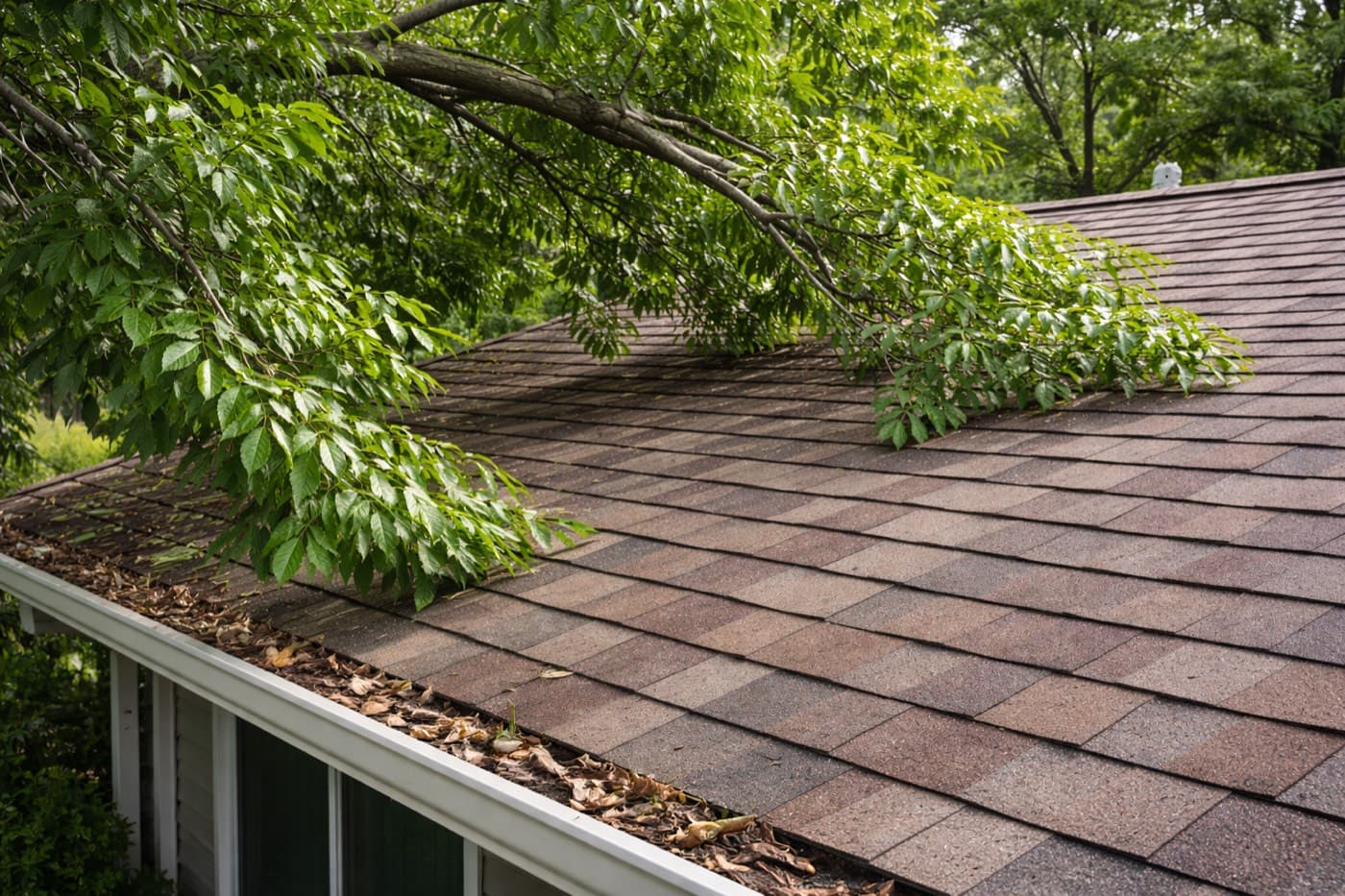
Branches that touch or hang over the roof can scrape shingles, drop debris, and potentially break during wind, snow, or ice events.
Look for dead limbs, branches touching the roof, and trees that appear unhealthy or unstable. Large branches near the house should generally be handled by a qualified tree professional rather than treated as a DIY project.
Keeping nearby trees maintained can also reduce the amount of leaves and organic material that collect on your roof and in your gutters.
7. Remember What Happened Last Winter
Think back to the previous winter. Did you notice a small ceiling stain? Persistent icicles along one section of the roof? Water appearing during a thaw? A gutter that repeatedly froze?
Those symptoms may disappear during warmer weather without the underlying problem going away.
Fall gives you an opportunity to investigate before similar conditions return. Depending on the symptom, the cause could involve roofing damage, flashing, drainage, insulation, ventilation, or a combination of factors.
When Is a Professional Roof Inspection Worth It?
You don’t necessarily need a professional inspection every fall if your roof is relatively new, well maintained, and showing no signs of trouble.
An inspection becomes more worthwhile if:
- Your home experienced significant wind or hail
- Your roof is getting older
- You’ve noticed damaged or missing shingles
- You’ve had previous leaks
- You’re seeing unexplained attic moisture
- You don’t know when the roof was last inspected
A roofing professional can safely examine areas that are difficult to evaluate from the ground and determine whether you’re dealing with routine wear, a small roof repair, or a larger problem.
FAQ: Getting Your Roof Ready for Winter
When should I prepare my roof for winter?
Early to mid-fall is a good time to inspect your roof and complete maintenance. The goal is to address problems before persistent freezing temperatures and snow arrive.
Should I climb onto my roof to inspect it?
Usually, no. Many warning signs can be identified from the ground, attic, or an upstairs window. Walking on a roof introduces fall risk and can damage certain roofing materials.
Does a missing shingle need to be repaired right away?
It should be evaluated promptly. Missing shingles can leave portions of the roofing system more vulnerable to wind and moisture. Addressing a small problem early may prevent more extensive roof repairs later.
Does an older roof automatically need replacement before winter?
No. Roof age is only one factor. Material, installation quality, maintenance, weather exposure, and current condition all affect how much useful life a roof has left.
Get Ahead of Winter Roof Problems
The easiest winter roofing problem to deal with is the one you catch in the fall.
Checking your shingles, flashing, gutters, attic, and nearby trees can give you a better idea of whether your home is ready for winter. More importantly, it gives you time to address necessary roof repairs before snow and ice complicate the situation.
If you find something you’re unsure about, Canyon Construction Services can inspect your roofing system and help determine what actually needs attention.
Serving Twin Falls, Mountain Home, and surrounding Southern Idaho communities, Canyon Construction Services provides roof inspections, roof repair, and replacement solutions built for Idaho homes and Idaho weather.
Contact Canyon Construction Services to schedule a roof inspection and head into winter prepared.