Roofing Red Flags on a Home Inspection Report: What to Watch Out For
Buying or selling a home is one of the biggest financial decisions you’ll make—and the condition of the roof can make or break the deal.
That’s why roof-related issues on a home inspection report deserve serious attention. For buyers, they might signal upcoming costs. For sellers, they could stall negotiations or reduce your asking price. Either way, understanding what these red flags mean (and what to do next) puts you in control of the situation.
Let’s break down the most common roofing concerns flagged by inspectors—and how Canyon Construction Services can help you move forward with clarity and confidence.
Why the Roof Gets Scrutinized in Inspections
The roof is one of the most expensive and important components of a home. Inspectors focus on it because:
- It protects the entire structure from water damage
- Roof issues can indicate deeper problems (like mold, insulation, or structural decay)
- Repairs or replacements are costly—often $8,000 to $20,000+ depending on size and materials
A roof in poor shape can impact insurance rates, financing approval, and even appraisal value.
Common Roof Red Flags on Inspection Reports
Here are the most frequent roofing concerns that show up in home inspections—and what they could mean:
1. Roof Age Nearing the End of Its Lifespan
If the roof is 15–20+ years old (depending on material), an inspector may note that replacement is likely needed soon. This doesn’t always mean the roof is failing, but it’s a warning to plan ahead.
Buyers should factor potential replacement into their budget or negotiate for repairs or credits.
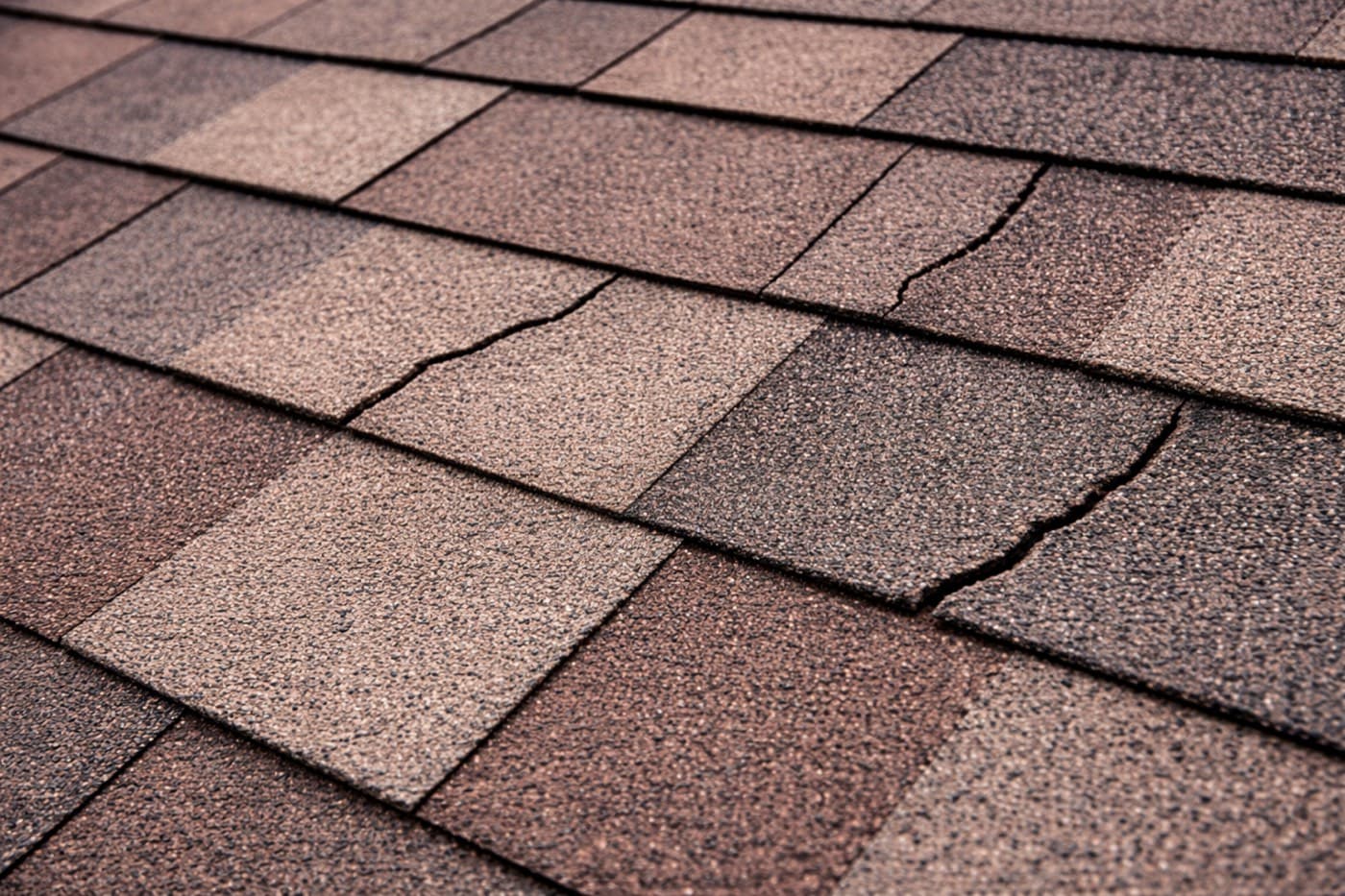
2. Missing, Curling, or Cracked Shingles
These signs of wear suggest aging or weather damage. A few missing shingles can be an easy fix—but widespread curling or cracking may mean the roof is no longer watertight.
Wind and sun exposure in Idaho can accelerate shingle deterioration, especially on south- or west-facing slopes.
3. Granule Loss or Bald Spots
If inspectors see gutters full of shingle granules or bare patches on the roof, it’s a sign the protective top layer is wearing off. This typically happens in the final years of a shingle’s life.
Without granules, shingles are vulnerable to UV damage, moisture infiltration, and impact from debris.
4. Damaged or Rusted Flashing
Flashing is the metal installed around chimneys, vents, and valleys to direct water away. If it’s rusted, loose, or missing, it’s a major red flag—because this is where many leaks start.
Improper flashing installation is also a common issue on older homes or rushed DIY jobs.
5. Signs of Previous Repairs or Patchwork
An inspector may note that areas of the roof appear to have been patched—especially if mismatched materials were used. This can be a sign of past leaks or poor-quality repairs.
Multiple patches could indicate ongoing or unresolved issues beneath the surface.
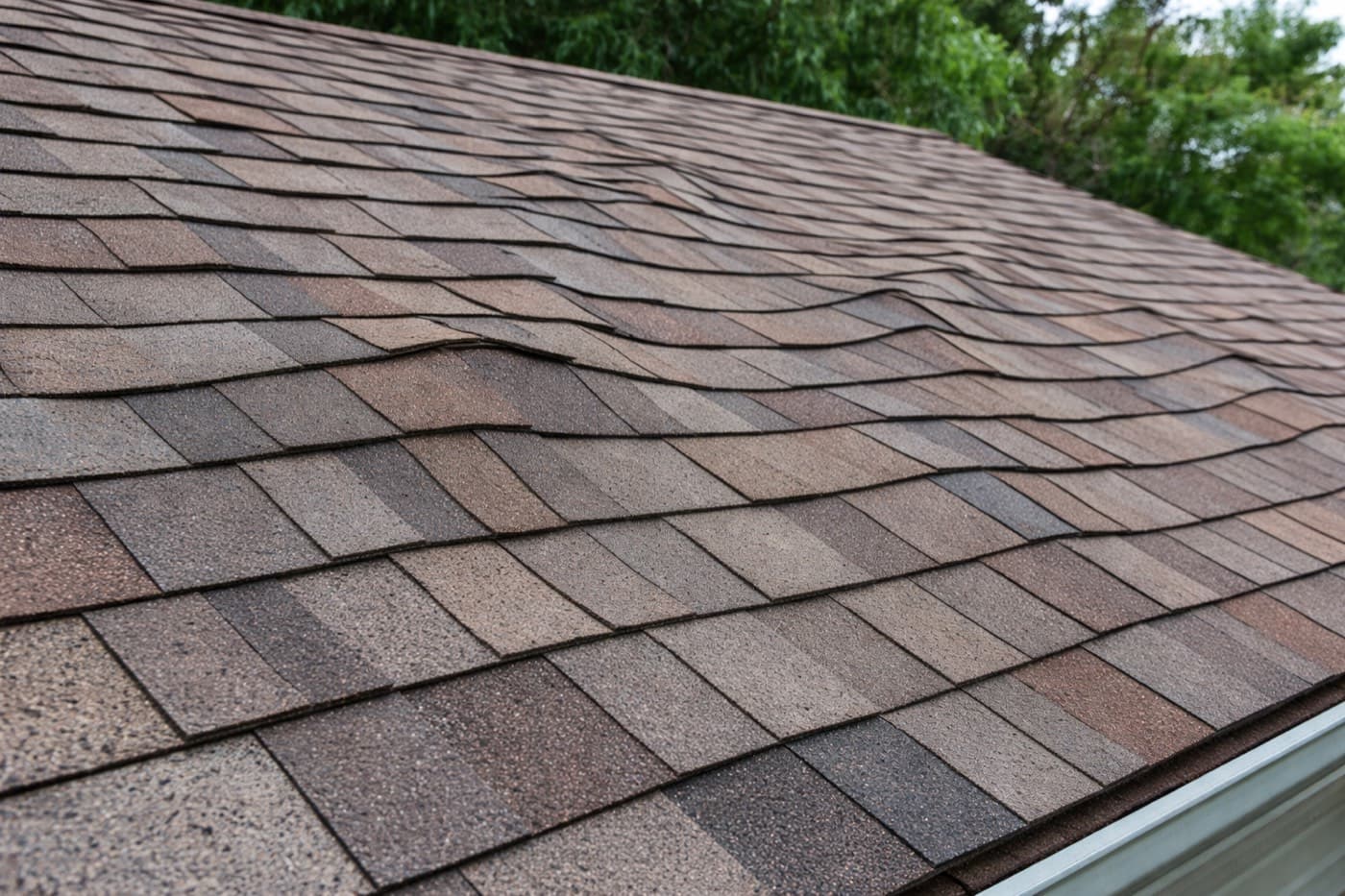
6. Sagging or Uneven Roof Lines
Any noticeable dip or bow in the roof could indicate structural concerns. This might be due to undersized rafters, water-damaged decking, or excessive weight (from snow or additional layers of shingles).
Sagging requires further evaluation—it’s not something to ignore.
7. Interior Signs of Roof Leaks
Inspectors may flag stains on ceilings, mold in the attic, or moisture around chimney or vent penetrations. These all suggest active or past leaks—and could mean mold, wood rot, or insulation damage.
What Buyers Should Do
If you’re buying a home and the inspection flags roof issues:
- Don’t panic—but don’t ignore it either
- Ask for a copy of the inspection and roofing notes
- Consider requesting a roof certification or second opinion from a licensed roofing contractor
- Use the findings to negotiate repairs, credits, or price adjustments
Many buyers request that sellers handle repairs before closing—or reduce the sale price to account for future replacement.
What Sellers Should Know
If you’re selling and suspect your roof may be an issue:
- Schedule a roof inspection before listing your home
- Address small issues proactively—like replacing missing shingles or sealing flashing
- Consider obtaining a roof certification to give buyers peace of mind (certifications typically last 2–5 years and show the roof is in good condition)
- Be transparent in your disclosures
A roof in good shape can justify a higher asking price, attract more buyers, and reduce the risk of deal-breaking surprises.
When to Call a Roofing Professional
A general home inspector can identify visible roof problems—but only a licensed roofing contractor can accurately assess condition, estimate remaining lifespan, and provide repair or replacement quotes.
At Canyon Construction Services, we offer:
- Pre-listing inspections for sellers
- Second opinions for buyers
- Roof certifications for real estate transactions
- Honest assessments with photo documentation
- Fast repair scheduling to keep deals moving
Serving Twin Falls, Mountain Home, and surrounding Idaho communities with reliable residential roofing expertise.
FAQ: Roof Concerns in Home Inspections
Q: Can I get a mortgage if the inspection shows roof problems?
A: Possibly, but it depends on the severity. Some lenders require the roof to be in good shape. You may need to complete repairs or escrow funds for future work.
Q: How much does a roof certification cost?
A: Costs vary, but in Idaho, you can typically expect to pay $200–$500. The certification is valid for 2–5 years, depending on the roof’s condition.
Q: Does insurance cover roof repairs flagged in an inspection?
A: Not usually. Insurance typically covers sudden damage (like storms), not wear and tear discovered during a home sale.
Q: Should I walk away from a home with a bad roof?
A: Not necessarily—but you should know what you’re getting into. A full roof replacement is a major expense. Use professional evaluations to make an informed decision.
Trust the Roof Experts Before You Sign
Whether you’re buying, selling, or simply planning ahead, don’t underestimate the roof. An inspection report that mentions roofing issues isn’t the end of the world—but it does deserve your attention.
Canyon Construction Services is here to help with accurate assessments, prompt repairs, and peace of mind in one of the most important transactions of your life.
Schedule a real estate roof inspection today and move forward with confidence.