Is Your Roof a Fire Risk? How to Protect Your Home in Wildfire-Prone Areas
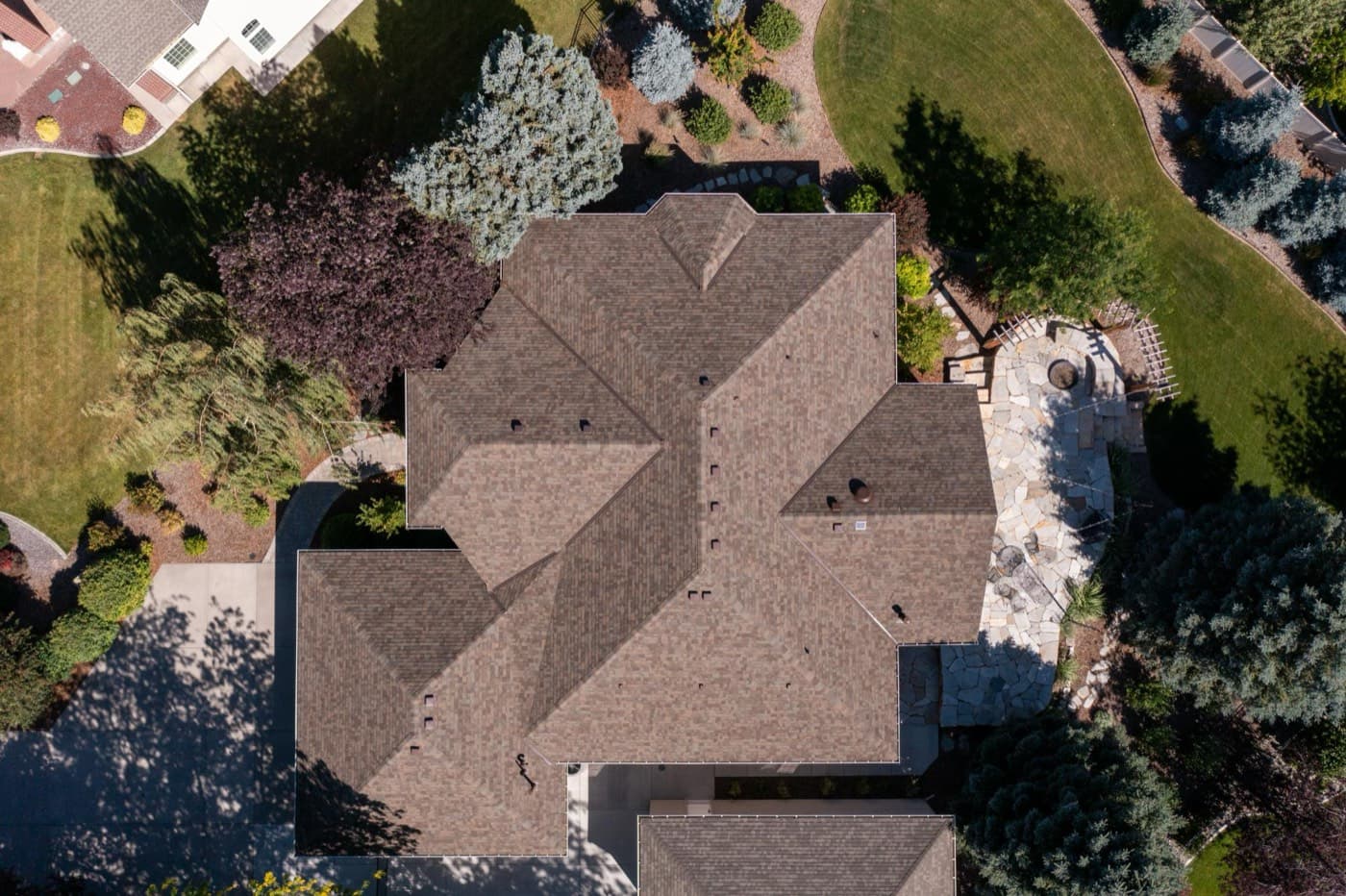
As wildfires grow more frequent and unpredictable across the western U.S., homeowners in places like Twin Falls, Mountain Home, and beyond are asking new questions about home safety—starting at the top.
Your roof is one of your home’s first lines of defense during a wildfire. It also happens to be one of the most vulnerable areas for fire ignition. The good news? There are proven ways to reduce your roof’s fire risk without compromising on performance or curb appeal.
In this blog, we’ll break down how roofing choices impact wildfire safety, what “Class A” ratings really mean, and how to reduce fire hazards with smart upgrades and routine care.
Why Roofs Are a Key Wildfire Vulnerability
During a wildfire, windborne embers—often called “firebrands”—can travel miles ahead of the flames. These embers land on homes, especially rooftops, and ignite flammable materials. In fact, according to the National Fire Protection Association (NFPA), embers are the leading cause of home ignitions during wildfires.
If your roof is made of combustible materials (like wood shakes), is poorly maintained, or has dry debris buildup along the eaves or valleys, your home is at greater risk—even if the flames never directly reach your property.
What Makes a Roof Fire-Resistant?
Not all roofing materials offer the same level of fire protection. Here’s what you need to know when evaluating or upgrading your roof.
Class A Fire Ratings (What They Mean)
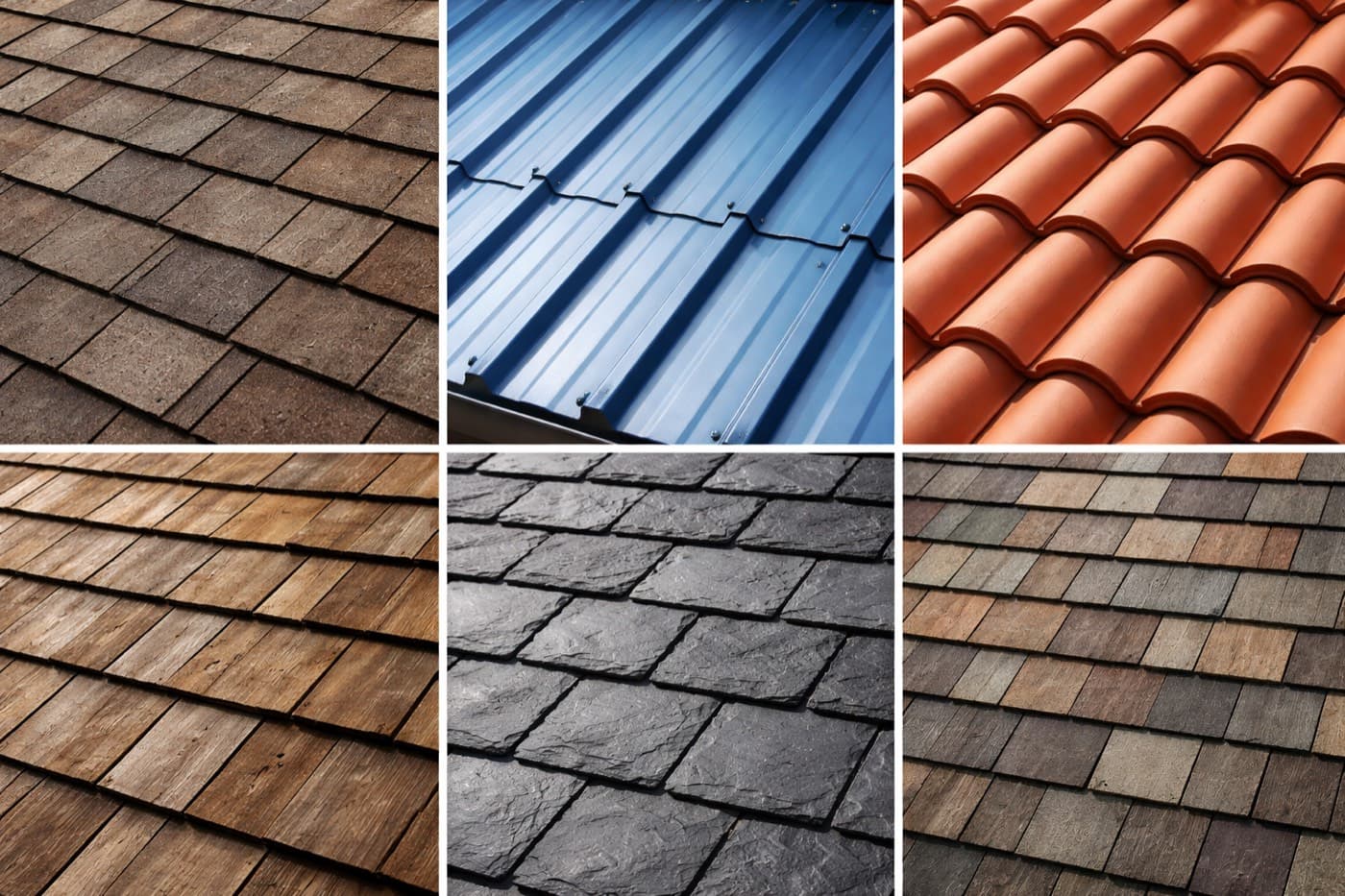
Roofing materials are tested and rated for fire resistance. The highest rating, Class A, offers the best protection against flame spread and ember ignition. Common Class A roofing materials include:
- Asphalt fiberglass shingles (most modern asphalt shingles fall into this category)
- Metal roofing (steel, aluminum, copper)
- Clay or concrete tiles
- Slate roofing
Avoid roofing products with a Class B, C, or unrated status if you live in wildfire-prone regions.
Material Matters: Best Options for Wildfire Areas
- Metal Roofing: Non-combustible and excellent at shedding embers. It’s also lightweight and long-lasting—ideal for both fire and weather protection.
- Architectural Asphalt Shingles: Many brands are Class A-rated and treated with fire-resistant coatings.
- Clay or Concrete Tile: These are naturally fire-resistant but require proper underlayment and installation to prevent ember entry.
- Synthetic Roofing: Some synthetic materials are fire-rated and designed to mimic wood or slate. Just make sure they’re certified Class A.
Defensible Space: Roof-Specific Tips
Even with a fire-resistant roof, debris and poor maintenance can turn a Class A roof into a fire hazard. Here are some roof-specific defensible space strategies:
- Keep your roof and gutters clear of leaves, pine needles, and debris
- Install metal mesh screens over gutters to prevent buildup
- Trim overhanging branches at least 10 feet from the roofline
- Seal gaps between roofing materials and attic vents to prevent ember intrusion
- Inspect roof edges, valleys, and flashing for wear and tear
Warning Signs Your Roof Could Be a Fire Hazard
- Wood shake or wood shingle roofing without added fire treatment
- Gutters clogged with dry leaves or pine needles
- Visible dry debris in roof valleys or around chimneys
- Missing or deteriorating flashing or vents that could allow ember entry
- Roof over 20 years old without recent inspection or fire-safety assessment
Upgrading for Fire Protection: What to Expect
If you’re considering a new roof and fire resistance is a concern, here’s how Canyon Construction Services can help:
- Material Selection: We’ll help you choose from Class A fire-rated roofing options that fit your budget and style.
- Underlayment Upgrades: We recommend fire-resistant synthetic underlayment and proper flashing for extra protection.
- Ventilation Improvements: Upgrading soffit and ridge vents with fire-rated screens reduces ember intrusion.
- Professional Installation: We install all roofs to meet or exceed local building codes, ensuring your roof is built to perform under Idaho’s harshest conditions.
Protect Your Home From the Top Down
With wildfires becoming a seasonal threat in the western U.S., proactive homeowners are making roofing upgrades part of their fire mitigation plan. Whether you’re due for a replacement or just want peace of mind, a Class A fire-rated roof combined with good maintenance is one of the best defenses you can invest in.
Canyon Construction Services offers fire-resistant roofing consultations, full roof replacements, and inspections throughout Twin Falls, Mountain Home, and surrounding areas. We’ll help you understand your options—and make sure your roof is ready for whatever nature brings.
FAQ: Fire-Safe Roofing in Idaho
Q: Are all asphalt shingles fire-rated?
A: No. Some older organic-based shingles are not Class A rated. Modern fiberglass-based asphalt shingles usually are—check product specs to confirm.
Q: Will insurance cover a fire-resistant roof upgrade?
A: In most cases, upgrades are out-of-pocket. However, some insurers may offer premium discounts for fire-mitigation improvements.
Q: Is metal roofing better for wildfire zones?
A: Yes. Metal is non-combustible and sheds embers well, making it one of the most fire-safe roofing materials available.
Q: Can I fireproof an existing wood shake roof?
A: Some treatments exist, but they often need to be reapplied regularly and may not bring the roof up to Class A standards. Replacement is usually a better long-term solution.
Ready to fire-harden your home? Contact Canyon Construction today to schedule a roof inspection or request a quote for fire-resistant materials.