What Is Roof Decking—and Why Should Homeowners Care?
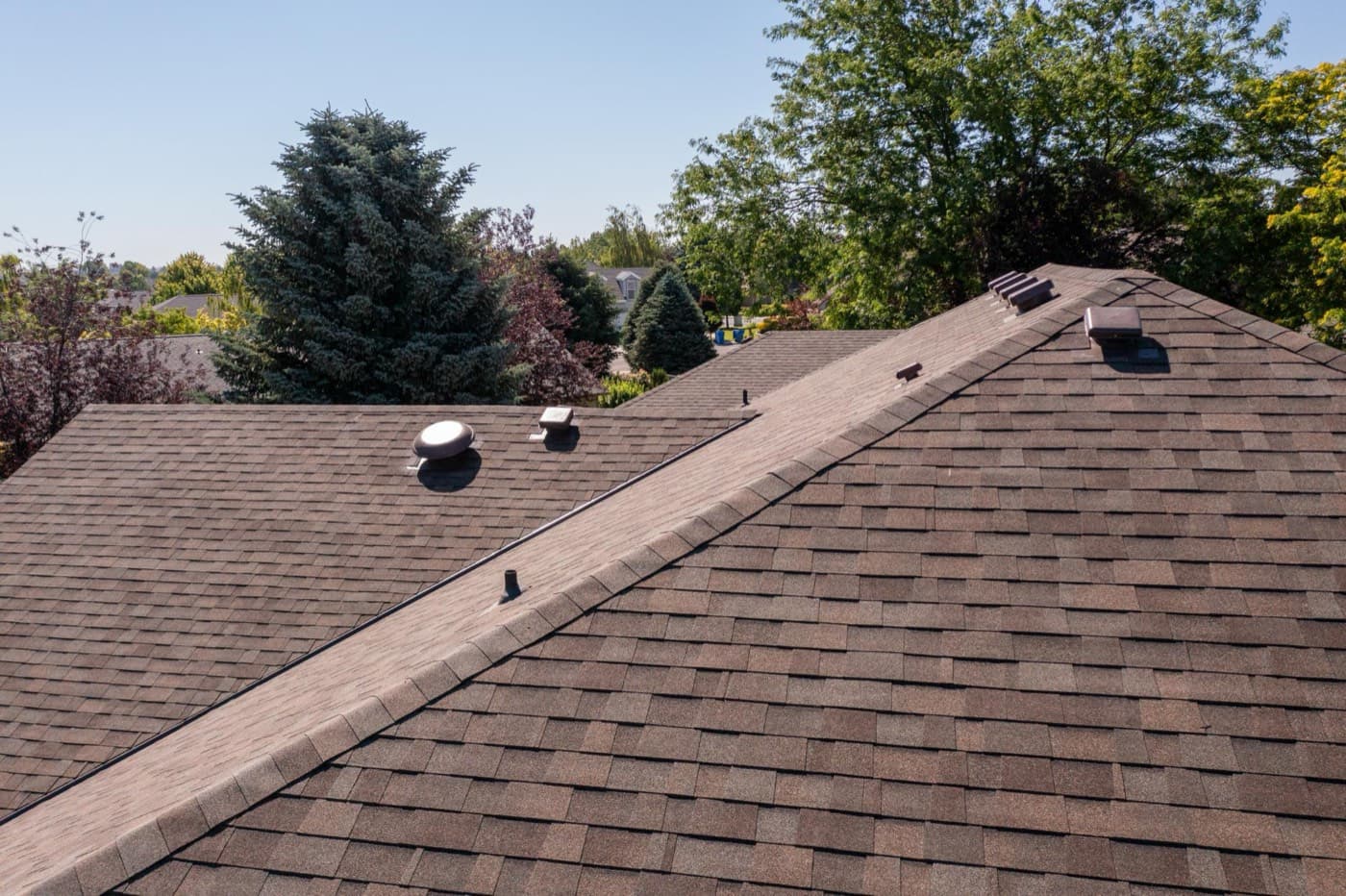
When you think about your roof, you probably picture shingles—or maybe metal panels or gutters. But there’s a crucial component of your roofing system you rarely see, and it plays one of the most important roles in keeping your home safe and dry: the roof decking.
Roof decking (also called roof sheathing) forms the base layer of your entire roofing structure. It’s not just a technical detail—it’s the foundation your roof relies on. If it’s damaged or failing, your shingles, underlayment, and insulation can’t do their jobs.
In this post, we’ll break down what roof decking is, why it matters, how to spot potential issues, and what to expect during a repair or replacement.
What Is Roof Decking?
Roof decking is the flat surface that’s installed over your home’s rafters or trusses. Think of it as the platform that supports your entire roof system. It provides a smooth, stable base for the underlayment and shingles (or other roofing materials) to attach to.
Most modern homes use either:
- Plywood decking – traditional, strong, and widely used.
- OSB (Oriented Strand Board) – a more affordable alternative with similar performance in many cases.
In older homes, you might see plank decking, which consists of spaced or solid wood boards.
Why Roof Decking Is So Important
Even though it’s hidden from view, your roof decking is one of the most important structural components of your home’s exterior.
Here’s why:
- Structural Integrity: It helps hold your entire roofing system together and distributes the weight of shingles, snow, and rain evenly.
- Support for Roofing Materials: Shingles and underlayment rely on a solid, smooth surface to stay sealed and properly installed.
- Moisture Barrier Base: It acts as a key line of defense against leaks—especially when paired with proper underlayment and flashing.
When your decking is compromised, the rest of your roofing system is vulnerable, even if your shingles appear intact.
Signs Your Roof Decking Might Be Damaged
Because decking is hidden, most homeowners don’t realize there’s a problem until it’s uncovered during a roof tear-off or after interior damage shows up.
Watch for these warning signs:
- Sagging rooflines – often visible from the ground
- Soft or spongy feeling when walking on the roof (usually discovered during inspection)
- Leaks or water stains on ceilings or attic rafters
- Mold or musty smells in the attic
- Shingles curling or pulling up, exposing nail heads
- Visible rot or discoloration when a section of roof is removed
Even if none of these signs are present, older decking may still be compromised due to age or moisture exposure.
What Causes Roof Decking to Rot or Fail?
Several factors can lead to roof decking damage, especially in Idaho’s challenging climate:
- Long-term leaks from old or damaged shingles
- Ice dams that force water under shingles in winter
- Inadequate ventilation in the attic, trapping moisture
- Improper underlayment installation
- Pest damage or fungal growth in damp attic spaces
- High snow loads, which are common in Idaho winters
In areas like Twin Falls and Mountain Home, the freeze-thaw cycle can worsen moisture problems by expanding cracks and allowing water infiltration over time.
Repair or Replacement: What to Expect
Damaged decking can’t be ignored. During a re-roofing project, Canyon Construction Services inspects the condition of the roof deck and replaces any sections that are soft, rotted, or warped.
If only a small area is affected, a partial decking replacement may be possible. But in most cases—especially with older homes or widespread water damage—full replacement is the safest and most cost-effective solution.
We always follow Idaho building codes, which require structurally sound decking before any new roofing material can be installed.
How to Prevent Roof Decking Damage
While you can’t see your roof deck, you can take steps to protect it for the long haul:
- Schedule regular roof inspections—ideally twice a year.
- Keep gutters clean to prevent water overflow.
- Trim overhanging branches to limit debris and moisture accumulation.
- Ventilate your attic properly to prevent heat and moisture buildup.
- Act quickly on leaks or missing shingles—don’t wait for visible damage.
When replacing a roof, ask your contractor about high-performance synthetic underlayment and ice and water shields to help protect your decking from future moisture issues.
FAQ: Roof Decking Basics
Q: Can I replace my shingles without replacing the decking?
A: Yes, but only if the decking is still solid and undamaged. A good roofing contractor will inspect it first.
Q: Is roof decking replacement included in a new roof estimate?
A: At Canyon Construction Services, yes. We include any necessary decking repairs or replacement in our quote so there are no surprises.
Q: How long does roof decking last?
A: If protected properly, roof decking can last as long as your roof—typically 20–30 years or more. But leaks and poor ventilation can shorten its lifespan.
The Bottom Line: Don’t Ignore the Foundation of Your Roof
Roof decking may not be the first thing you think about when planning a repair or replacement—but it’s one of the most important. It’s the structure that holds everything together and determines how well your roof performs under stress, snow, and storm.
Whether you’re replacing your roof or just want peace of mind, Canyon Construction Services offers thorough inspections, honest assessments, and roofing solutions built to last—from the decking up.
Serving Twin Falls, Mountain Home, and the surrounding Idaho communities. Contact us today for a no-pressure roof inspection.